pesä
Finnish
Etymology
From Proto-Finnic *pesä, from Proto-Uralic *pesä. Cognate with Karelian pešä, Estonian pesa, Erzya пизэ (pize) and Hungarian fészek.
Pronunciation
- IPA(key): /ˈpesæ/, [ˈpe̞s̠æ]
- Rhymes: -esæ
- Syllabification(key): pe‧sä
Noun
pesä
- nest (structure built by a bird or other animal as a place to incubate eggs and hatch and/or rear young)
- nest (cozy residence)
- nest (hideout for bad people to frequent)
- Se yökerho on outojen tyyppien pesä!
- That nightclub is a nest of strange people!
- Se yökerho on outojen tyyppien pesä!
- nest (parental home)
- Aion lähteä pesästä.
- I am aspiring to leave the nest.
- Aion lähteä pesästä.
- den (home of certain animals)
- Daniel laitettiin leijonien pesään.
- Daniel was put into the lions’ den.
- Daniel laitettiin leijonien pesään.
- hive (structure, which a swarm of honeybees inhabits or has inhabited)
- (law) estate (collected property of a person or corporate entity)
- (baseball, pesäpallo) base
- (curling) house
- (colloquial) vagina
- (tulipesä) firebox, (piipunpesä) bowl (of a pipe)
- Pökköä pesään!
- Synonym of öljypesä.
- (firearms) chamber
Declension
| Inflection of pesä (Kotus type 10/koira, no gradation) | |||
|---|---|---|---|
| nominative | pesä | pesät | |
| genitive | pesän | pesien | |
| partitive | pesää | pesiä | |
| illative | pesään | pesiin | |
| singular | plural | ||
| nominative | pesä | pesät | |
| accusative | nom. | pesä | pesät |
| gen. | pesän | ||
| genitive | pesän | pesien pesäinrare | |
| partitive | pesää | pesiä | |
| inessive | pesässä | pesissä | |
| elative | pesästä | pesistä | |
| illative | pesään | pesiin | |
| adessive | pesällä | pesillä | |
| ablative | pesältä | pesiltä | |
| allative | pesälle | pesille | |
| essive | pesänä | pesinä | |
| translative | pesäksi | pesiksi | |
| instructive | — | pesin | |
| abessive | pesättä | pesittä | |
| comitative | — | pesineen | |
| Possessive forms of pesä (type koira) | ||
|---|---|---|
| possessor | singular | plural |
| 1st person | pesäni | pesämme |
| 2nd person | pesäsi | pesänne |
| 3rd person | pesänsä | |
Compounds
- (nest): harakanpesä, kotkanpesä, linnunpesä, pesänrakennus, pesänrakentaja, pesäpönttö
- (hive): ampiaispesä, mehiläispesä
- (estate): konkurssipesä, kuolinpesä, pesänhoitaja
- (baseball): kotipesä
unsorted compounds
- akselipesä
- hallanpesä
- ihmispesä
- kakkospesä
- kananpesä
- karhunpesä
- kehäpesä
- kenttäpesä
- ketunpesä
- kielipesä
- kimalaispesä
- kolmospesä
- kusiaispesä
- käenpesä
- käärmeenpesä
- laakeripesä
- lemmenpesä
- munituspesä
- muurahaispesä
- oravanpesä
- patruunapesä
- pesäero
- pesäjuuri
- pesäkolo
- pesäkunta
- pesäkäytävä
- pesäloinen
- pesäluettelo
- pesämuna
- pesänhallinto
- pesänjako
- pesänkavallus
- pesänkirjoitus
- pesänluovutus
- pesänosakas
- pesänpohja
- pesänselvittäjä
- pesänselvitys
- pesänteko
- pesänvaihto
- pesänvalvoja
- pesäosa
- pesäosuus
- pesäpaikka
- pesäpallo
- pesäpalloilija
- pesäpuu
- pesäpäivät
- pesäriipunta
- pesätuomari
- pesävahti
- pesävalkea
- piipunpesä
- pääskysenpesä
- pölynpesä
- pölypesä
- takapesä
- talvipesä
- tarmonpesä
- tuhkapesä
- tulipesä
- tuulenpesä
- variksenpesä
- voimanpesä
- ykköspesä
Further reading
- "pesä" in Kielitoimiston sanakirja (Dictionary of Contemporary Finnish).
Ingrian

Linnun pesä (1).
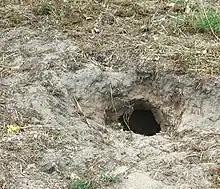
Krolikan pesä (2).
Pronunciation
- (Ala-Laukaa) IPA(key): /ˈpesæ/, [ˈpe̞s̠æ]
- (Soikkola) IPA(key): /ˈpesæ/, [ˈpe̞ʒ̥æ]
- Rhymes: -esæ
- Hyphenation: pe‧sä
Noun
pesä
- nest
- 1936, N. A. Iljin and V. I. Junus, Bukvari iƶoroin șkouluja vart, Leningrad: Riikin Ucebno-pedagogiceskoi Izdateljstva, page 62:
- Soojan pesän kuusee laatii.
- It makes a warm nest in a spruce.
-
- den, burrow
- 1936, N. A. Iljin and V. I. Junus, Bukvari iƶoroin șkouluja vart, Leningrad: Riikin Ucebno-pedagogiceskoi Izdateljstva, page 62:
- Karhu pesäs makajaa.
- The bear is sleeping in its den.
-
Declension
| Declension of pesä (type 3/koira, no gradation, gemination) | ||
|---|---|---|
| singular | plural | |
| nominative | pesä | pesät |
| genitive | pesän | pessiin |
| partitive | pessää | pessiä |
| illative | pessää | pessii |
| inessive | pesäs | pesis |
| elative | pesäst | pesist |
| allative | pesälle | pesille |
| adessive | pesäl | pesil |
| ablative | pesält | pesilt |
| translative | pesäks | pesiks |
| essive | pesännä, pessään | pesinnä, pessiin |
| exessive1) | pesänt | pesint |
| 1) obsolete *) the accusative corresponds with either the genitive (sg) or nominative (pl) **) the comitative is formed by adding the suffix -ka? or -kä? to the genitive. | ||
Synonyms
- (burrow): nora
References
- Ruben E. Nirvi (1971) Inkeroismurteiden Sanakirja, Helsinki: Suomalais-Ugrilainen Seura, page 403
Võro
Etymology
From Proto-Finnic *pesä, from Proto-Uralic *pesä.
Inflection
This noun needs an inflection-table template.
Votic
Pronunciation
- (Luuditsa, Liivtšülä) IPA(key): /ˈpesæ/, [ˈpesæ]
- Rhymes: -esæ
- Hyphenation: pe‧sä
Etymology 1
From Proto-Finnic *pesä.
Inflection
| Declension of pesä (type VIII/päive, s-z gradation) | ||
|---|---|---|
| singular | plural | |
| nominative | pesä | pezäd |
| genitive | pezä | pesije, pesi |
| partitive | pessä | pesite, pesi |
| illative | pessä, pessäse | pesije, pesise |
| inessive | pezäz | pesiz |
| elative | pezässe | pesisse |
| allative | pezäle | pesile |
| adessive | pezälle | pesille |
| ablative | pezälte | pesilte |
| translative | pezässi | pesissi |
| *) the accusative corresponds with either the genitive (sg) or nominative (pl) **) the terminative is formed by adding the suffix -ssaa to the short illative or the genitive. ***) the comitative is formed by adding the suffix -ka to the genitive. | ||
This article is issued from Wiktionary. The text is licensed under Creative Commons - Attribution - Sharealike. Additional terms may apply for the media files.