衭
| ||||||||
Translingual
Han character
衭 (radical 145, 衣+4, 10 strokes, cangjie input 中手人 (LQO), four-corner 35230, composition ⿰衤夫)
References
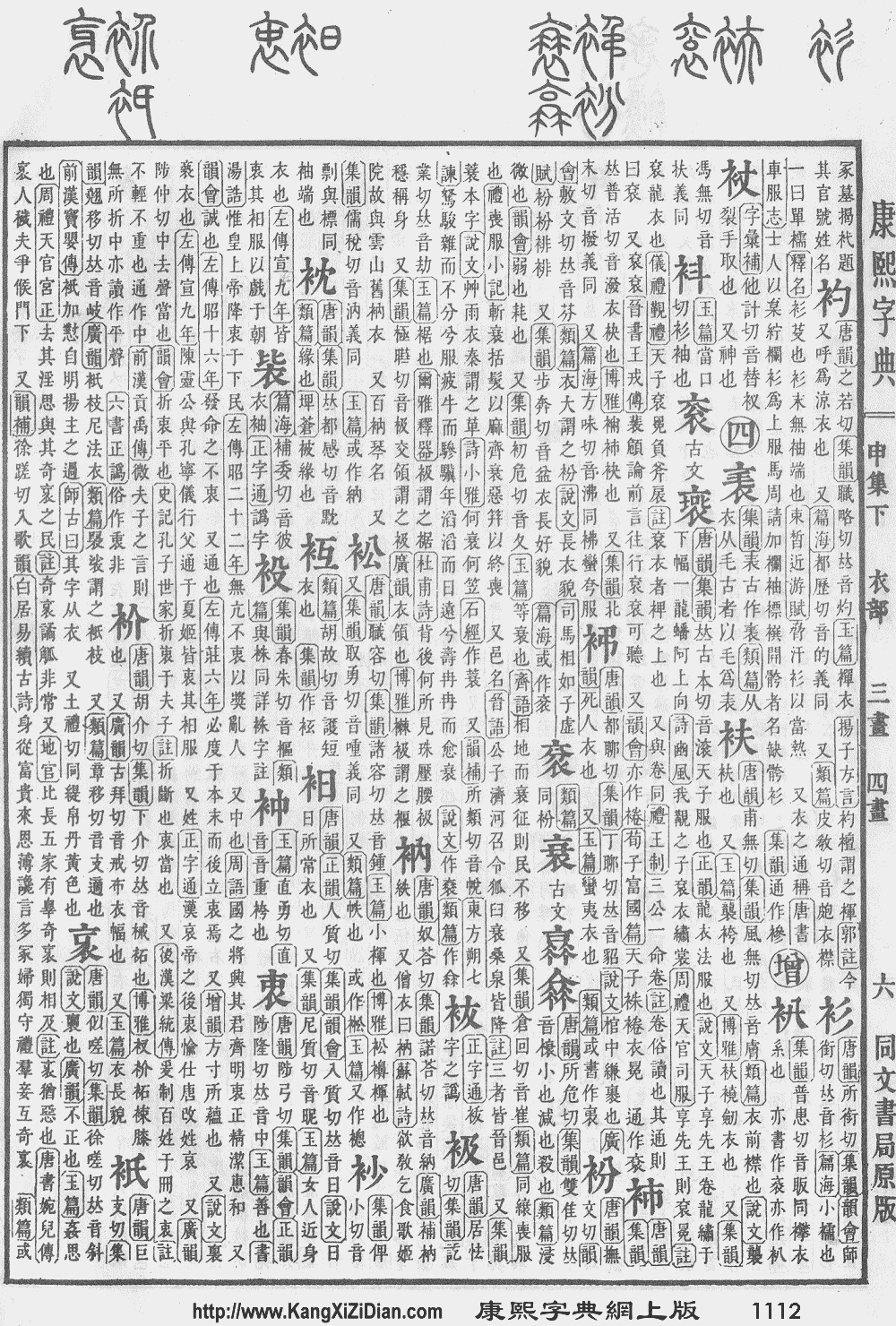
- KangXi: page 1112, character 6
- Dai Kanwa Jiten: character 34119
- Dae Jaweon: page 1577, character 13
- Hanyu Da Zidian: volume 5, page 3077, character 10
- Unihan data for U+886D
Chinese
Glyph origin
| Characters in the same phonetic series (夫) (Zhengzhang, 2003) | |
|---|---|
| Old Chinese | |
| 趺 | *pa |
| 肤 | *pa |
| 邞 | *pa |
| 鈇 | *pa |
| 衭 | *pa |
| 玞 | *pa |
| 夫 | *pa, *ba |
| 鳺 | *pa |
| 扶 | *pa, *ba |
| 妋 | *pa, *qu |
| 麩 | *pʰa |
| 蚨 | *ba |
| 芙 | *ba |
| 颫 | *ba |
| 枎 | *ba |
Phono-semantic compound (形聲, OC *pa) : semantic 衣 (“clothes”) + phonetic 夫 (OC *pa, *ba).
Pronunciation
Etymology 2
| For pronunciation and definitions of 衭 – see 褲 (“pants; trousers”). (This character, 衭, is the former (1969–1976) Singaporean simplified and variant form of 褲.) |
Notes:
|
This article is issued from Wiktionary. The text is licensed under Creative Commons - Attribution - Sharealike. Additional terms may apply for the media files.