禱
See also: 祷
| ||||||||
Translingual
| Japanese | 祷 |
|---|---|
| Simplified | 祷 |
| Traditional | 禱 |
Han character
禱 (Kangxi radical 113, 示+14, 19 strokes, cangjie input 戈火土弓戈 (IFGNI), four-corner 34241, composition ⿰礻壽)
References
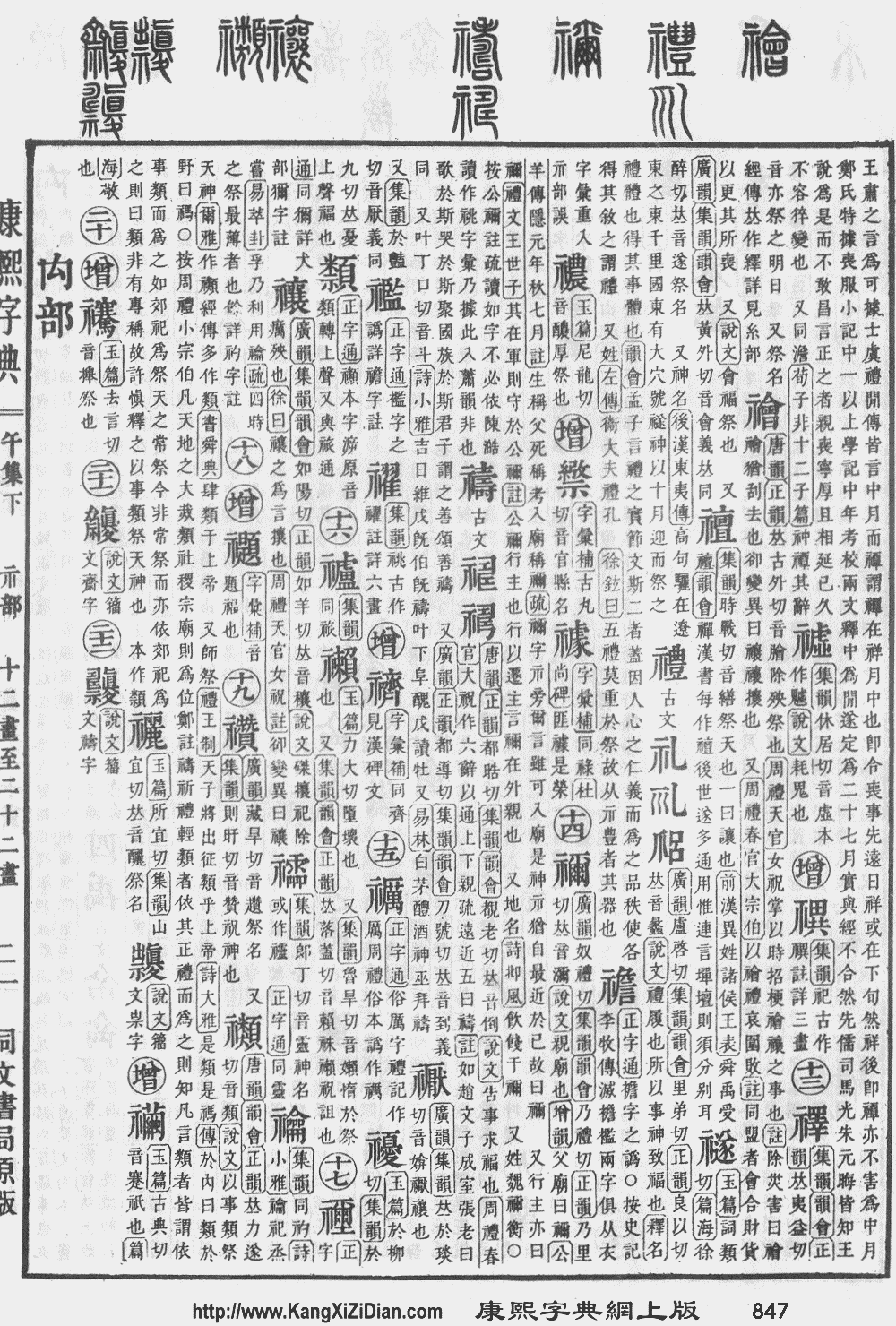
- KangXi: page 847, character 16
- Dai Kanwa Jiten: character 24852
- Dae Jaweon: page 1269, character 5
- Hanyu Da Zidian (first edition): volume 4, page 2410, character 10
- Unihan data for U+79B1
Chinese
| trad. | 禱 | |
|---|---|---|
| simp. | 祷 | |
Pronunciation
Definitions
禱
- to pray
- 吉日維戊,既伯既禱。 [Pre-Classical Chinese, trad.]
- From: The Classic of Poetry, c. 11th – 7th centuries BCE, translated based on James Legge's version
- Jírì wéi wù, jì bó jì dǎo. [Pinyin]
- A lucky day was wù, and we sacrificed on it to the Ruler of horses, and prayed.
吉日维戊,既伯既祷。 [Pre-Classical Chinese, simp.]
Compounds
Derived terms from 禱
References
- “禱”, in 漢語多功能字庫 (Multi-function Chinese Character Database), 香港中文大學/香港中文大学 (the Chinese University of Hong Kong), 2014–
Korean
Etymology
(This etymology is missing or incomplete. Please add to it, or discuss it at the Etymology scriptorium. Particularly: “Middle Korean readings, if any”)
Pronunciation
- (SK Standard/Seoul) IPA(key): [to̞]
- Phonetic hangul: [도]
This article is issued from Wiktionary. The text is licensed under Creative Commons - Attribution - Sharealike. Additional terms may apply for the media files.