睽
| ||||||||
Translingual
Han character
睽 (radical 109, 目+9, 14 strokes, cangjie input 月山弓人大 (BUNOK), four-corner 62034, composition ⿰目癸)
References
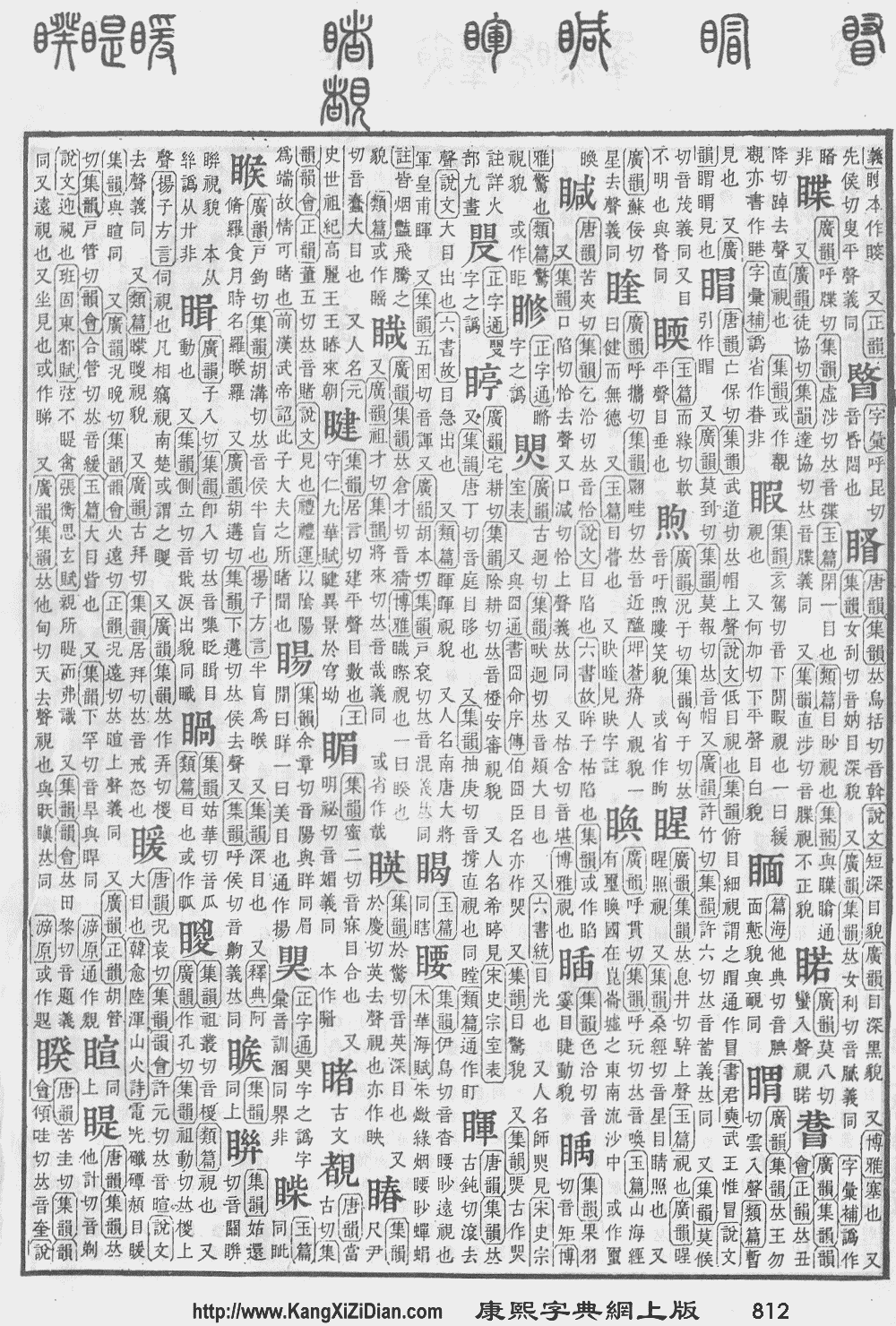
- KangXi: page 812, character 44
- Dai Kanwa Jiten: character 23532
- Dae Jaweon: page 1227, character 16
- Hanyu Da Zidian: volume 4, page 2504, character 1
- Unihan data for U+777D
Chinese
| simp. and trad. |
睽 | |
|---|---|---|
Glyph origin
| Characters in the same phonetic series (癸) (Zhengzhang, 2003) | |
|---|---|
| Old Chinese | |
| 睽 | *kʰʷiːl |
| 湀 | *kʰʷiːl, *kʷilʔ, *ɡʷilʔ, *kʰʷiːd |
| 聧 | *kʰʷiː |
| 藈 | *kʰʷiːl |
| 癸 | *kʷilʔ |
| 葵 | *ɡʷil |
| 鄈 | *ɡʷil |
| 楑 | *ɡʷil, *ɡʷilʔ |
| 戣 | *ɡʷril |
| 鍨 | *ɡʷril |
| 騤 | *ɡʷril, *kʷiːd |
| 揆 | *ɡʷilʔ |
| 猤 | *ɡʷils |
| 闋 | *kʰʷiːd |
Phono-semantic compound (形聲, OC *kʰʷiːl) : semantic 䀠 (“two eyes”) + phonetic 癸 (OC *kʷilʔ). The 䀠 (jù) (two eyes) component later became a 目 (mù) (eye) component.
Pronunciation
Japanese
Korean
Vietnamese
Han character
睽: Hán Nôm readings: khóe/khoé, khuê
- This term needs a translation to English. Please help out and add a translation, then remove the text
{{rfdef}}.
References
This article is issued from Wiktionary. The text is licensed under Creative Commons - Attribution - Sharealike. Additional terms may apply for the media files.