癭
See also: 瘿
| ||||||||
Translingual
Han character
癭 (radical 104, 疒+17, 22 strokes, cangjie input 大月金女 (KBCV), four-corner 00144, composition ⿸疒嬰)
References
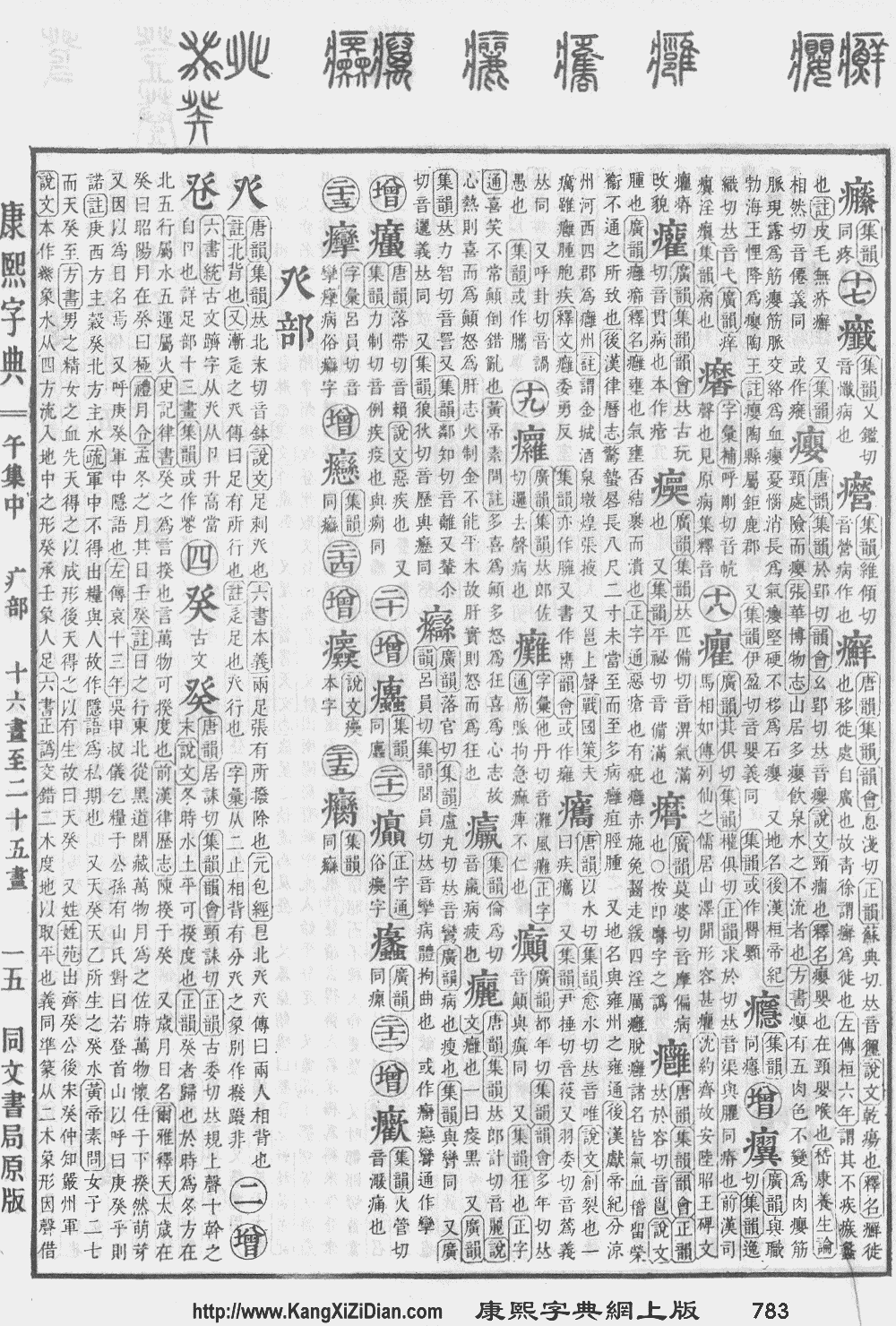
- KangXi: page 783, character 5
- Dai Kanwa Jiten: character 22630
- Dae Jaweon: page 1192, character 25
- Hanyu Da Zidian: volume 4, page 2703, character 24
- Unihan data for U+766D
Chinese
| trad. | 癭 | |
|---|---|---|
| simp. | 瘿 | |
Glyph origin
| Characters in the same phonetic series (賏) (Zhengzhang, 2003) | |
|---|---|
| Old Chinese | |
| 瀴 | *qreːŋs, *mqeːŋʔ, *qeːŋʔ |
| 甖 | *qreːŋ |
| 鸚 | *qreːŋ |
| 櫻 | *qreːŋ |
| 嚶 | *qreːŋ |
| 罌 | *qreːŋ |
| 鸎 | *qreːŋ |
| 譻 | *qreːŋ |
| 賏 | *qreŋs, *qeŋ |
| 嬰 | *qeŋ |
| 瓔 | *qeŋ |
| 纓 | *qeŋ |
| 攖 | *qeŋ |
| 蘡 | *qeŋ |
| 癭 | *qeŋʔ |
| 廮 | *qeŋʔ |
| 巊 | *qeːŋʔ |
Phono-semantic compound (形聲, OC *qeŋʔ) : semantic 疒 + phonetic 嬰 (OC *qeŋ).
Pronunciation
Compounds
|
|
|
Japanese
Korean
Hanja
癭 • (yeong) (hangeul 영, revised yeong, McCune–Reischauer yŏng, Yale yeng)
This article is issued from Wiktionary. The text is licensed under Creative Commons - Attribution - Sharealike. Additional terms may apply for the media files.