齲
See also: 龋
| ||||||||
Translingual
Han character
齲 (radical 211, 齒+9, 24 strokes, cangjie input 卜山竹中月 (YUHLB), four-corner 22727, composition ⿰齒禹)
References
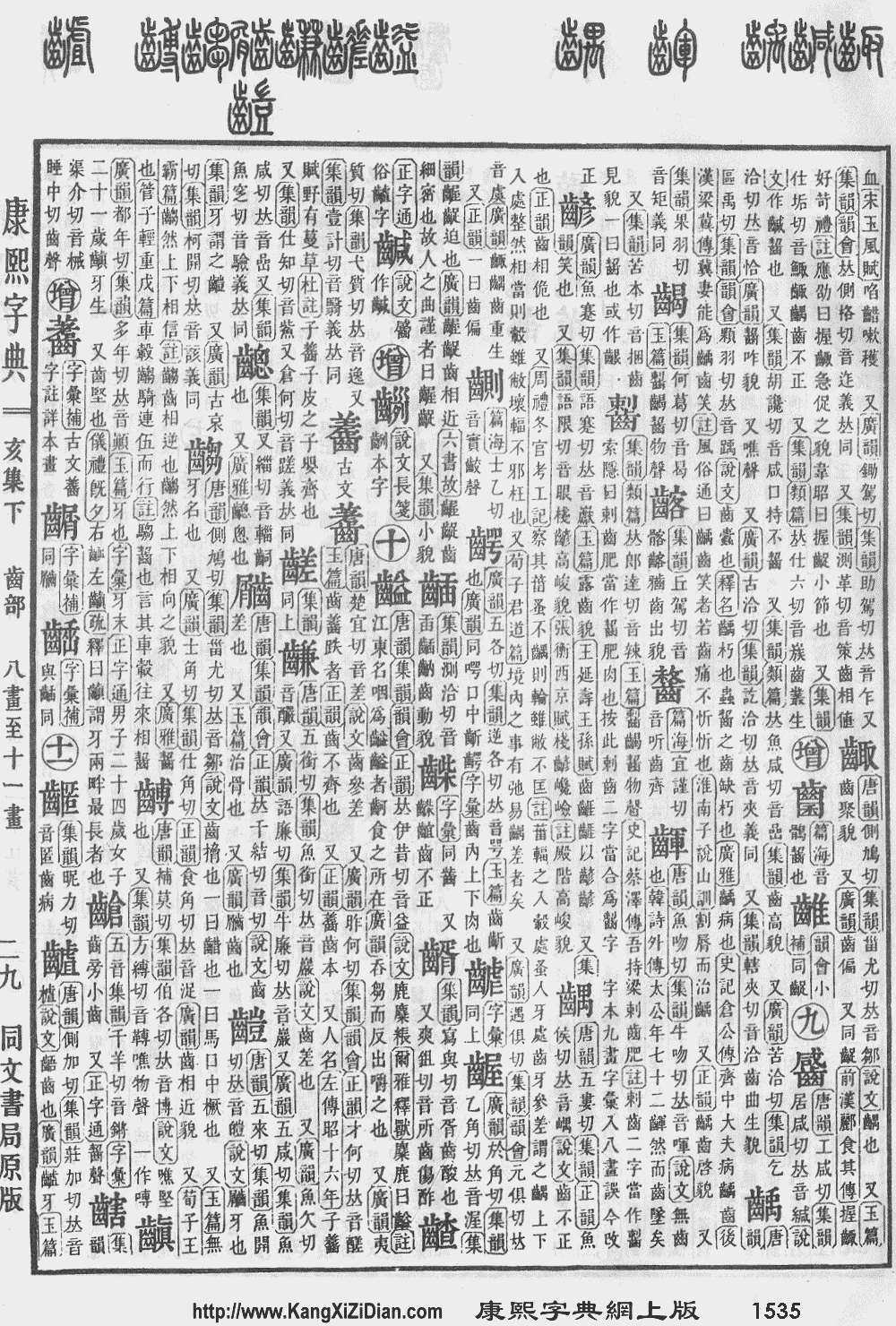
- KangXi: page 1535, character 5
- Dai Kanwa Jiten: character 48716
- Dae Jaweon: page 2073, character 32
- Hanyu Da Zidian: volume 7, page 4798, character 1
- Unihan data for U+9F72
Chinese
| trad. | 齲 | |
|---|---|---|
| simp. | 龋 | |
Glyph origin
| Characters in the same phonetic series (禹) (Zhengzhang, 2003) | |
|---|---|
| Old Chinese | |
| 踽 | *kʷaʔ, *kʰʷaʔ |
| 萭 | *kʷaʔ, *ɢʷaʔ |
| 聥 | *kʷaʔ, *ɢʷaʔ |
| 楀 | *kʷaʔ, *ɢʷaʔ |
| 齲 | *kʰʷaʔ |
| 禹 | *ɢʷaʔ |
| 瑀 | *ɢʷaʔ |
| 鄅 | *ɢʷaʔ |
Phono-semantic compound (形聲, OC *kʰʷaʔ) : semantic 齒 (“teeth”) + phonetic 禹 (OC *ɢʷaʔ).
Pronunciation
Japanese
Korean
This article is issued from Wiktionary. The text is licensed under Creative Commons - Attribution - Sharealike. Additional terms may apply for the media files.