飰
See also: 飯
| ||||||||
Translingual
Han character
飰 (radical 184, 食+4, 13 strokes, cangjie input 人戈卜卜 (OIYY), composition ⿰飠卞)
References
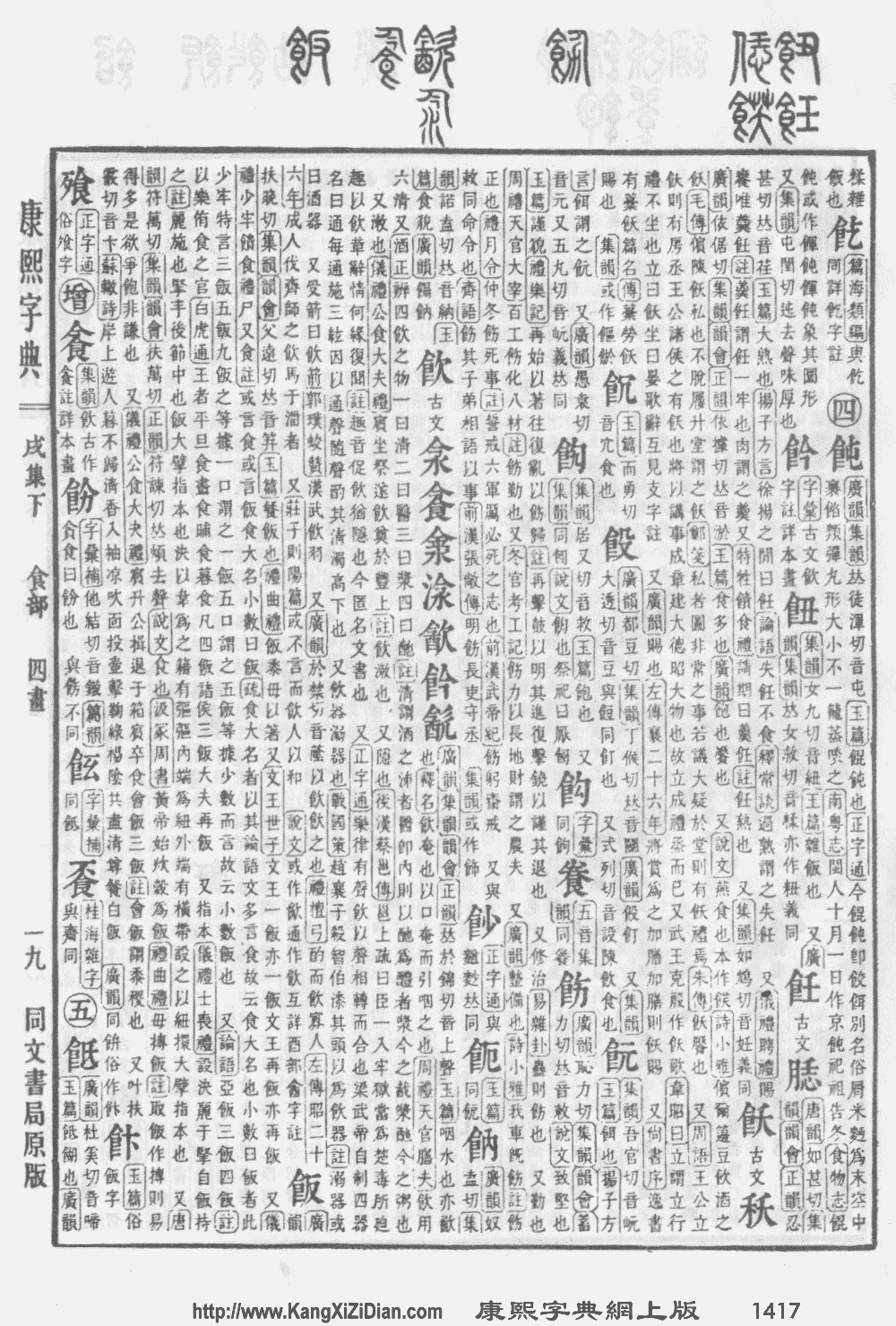
- KangXi: page 1417, character 28
- Dai Kanwa Jiten: character 44065
- Dae Jaweon: page 1942, character 2
- Hanyu Da Zidian: volume 7, page 4446, character 3
- Unihan data for U+98F0
Chinese
Glyph origin
| Characters in the same phonetic series (卞) (Zhengzhang, 2003) | |
|---|---|
| Old Chinese | |
| 汴 | *brons |
| 卞 | *brons |
| 忭 | *brons |
| 抃 | *brons |
| 犿 | *blon, *qʰloːn |
| 笇 | *smoːns |
| 飰 | *bons |
Definitions
| For pronunciation and definitions of 飰 – see 飯 (“cooked rice; food; etc.”). (This character, 飰, is a variant form of 飯.) |
Japanese
Readings
- Go-on: ぼん (bon)
- Kan-on: はん (han)
- Kun: いい (ii, 飰)←いひ (ifi, historical); くらう (kurau, 飰らう)←くらふ (kurafu, historical); くらわす (kurawasu, 飰らわす)←くらはす (kurafasu, historical); めし (meshi, 飰)
Derived terms
- 飰する (han suru)
This article is issued from Wiktionary. The text is licensed under Creative Commons - Attribution - Sharealike. Additional terms may apply for the media files.